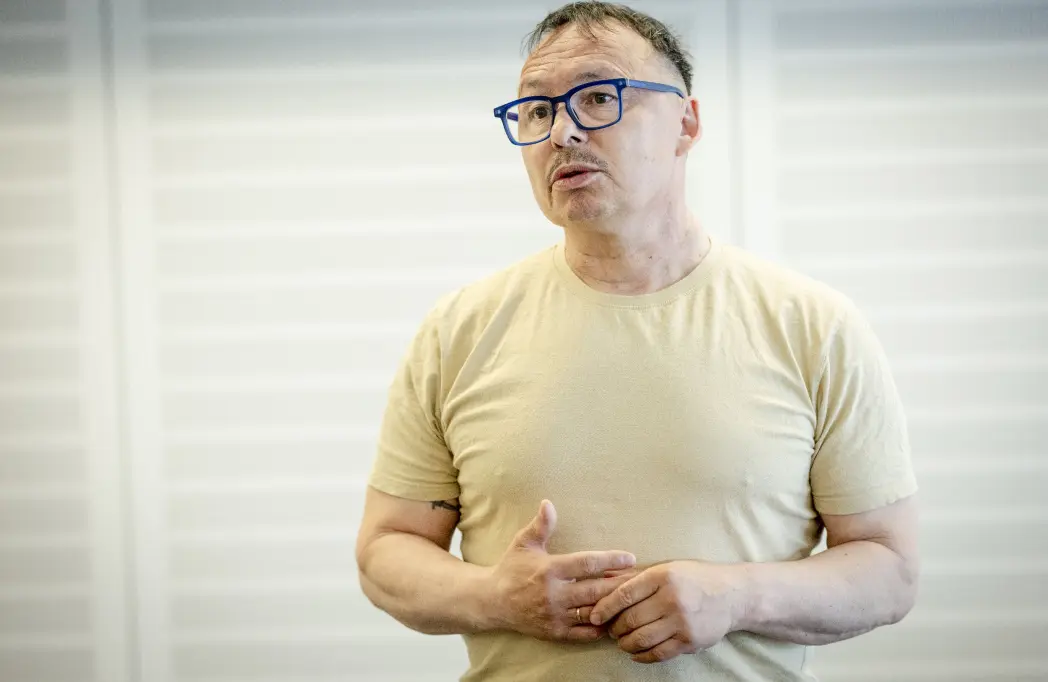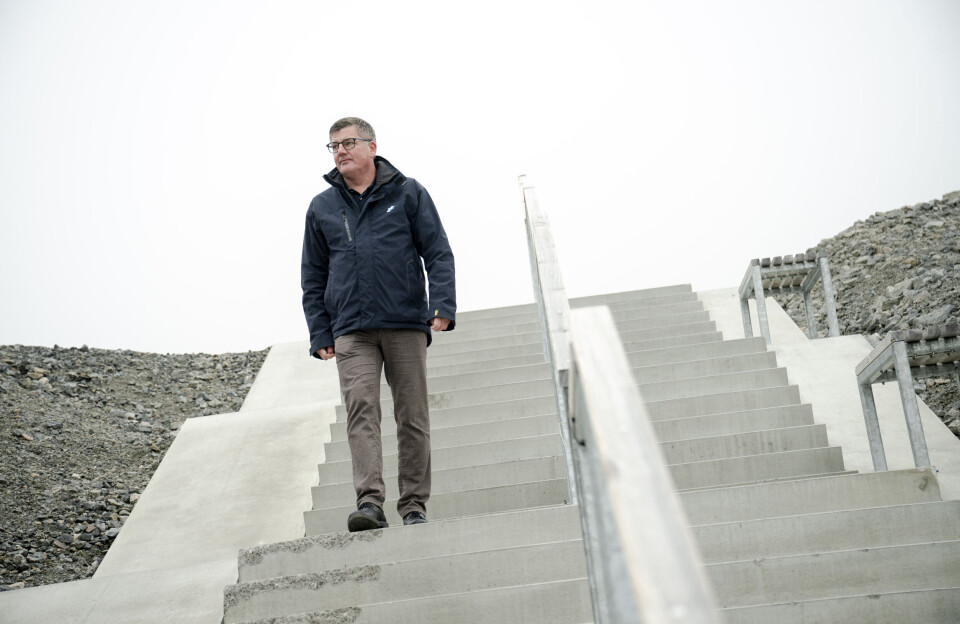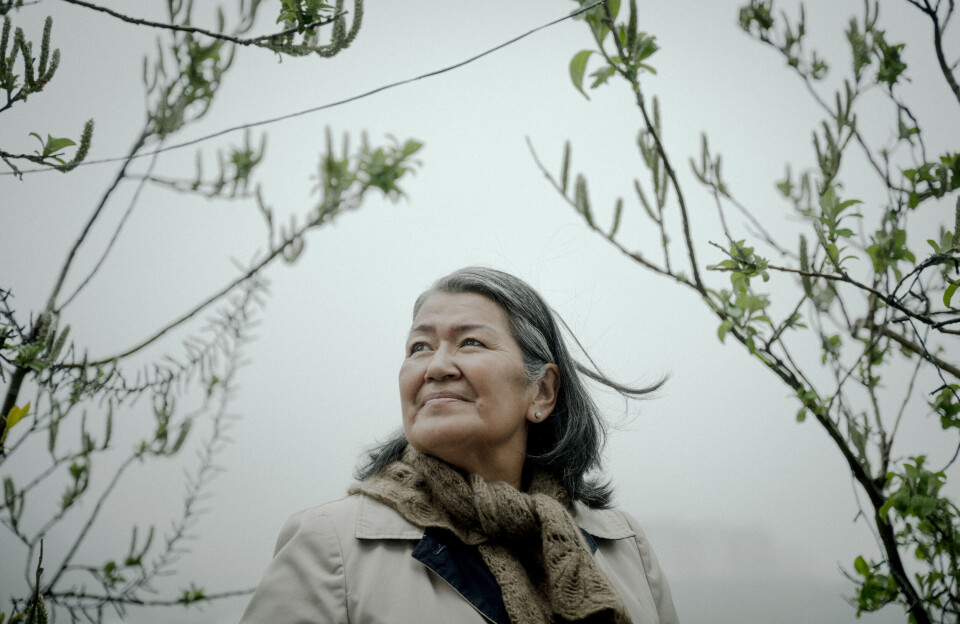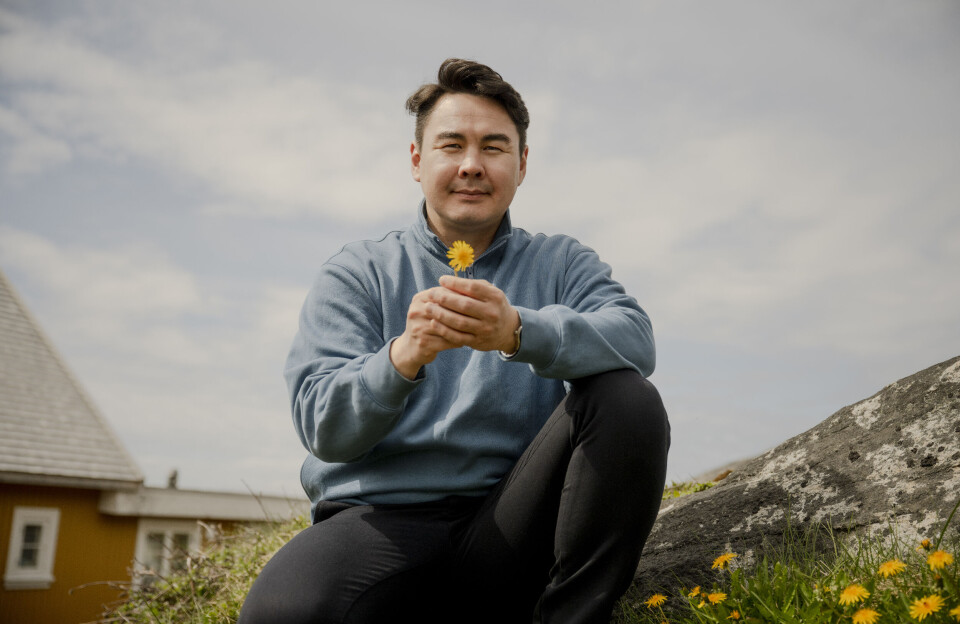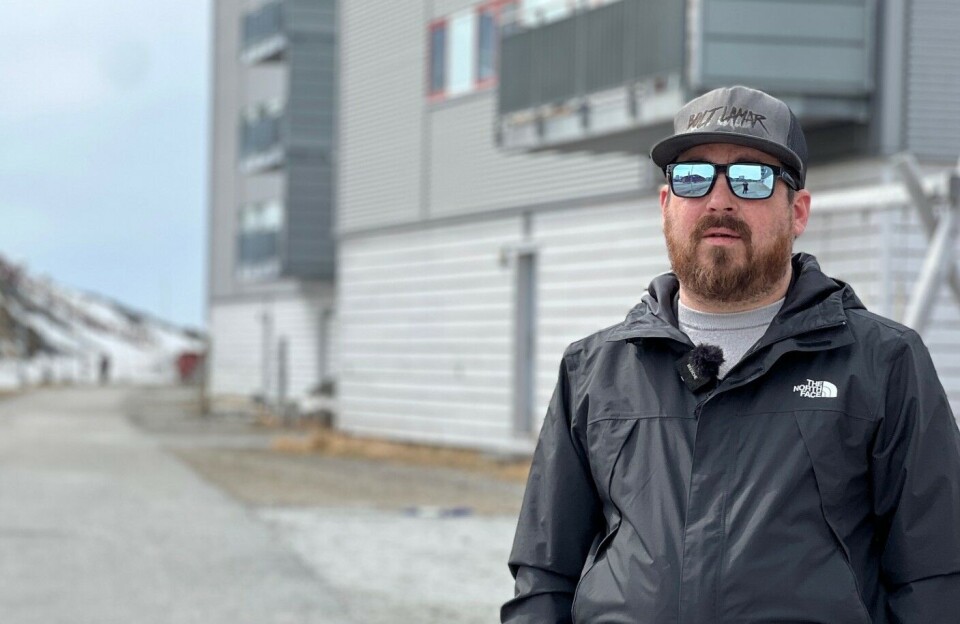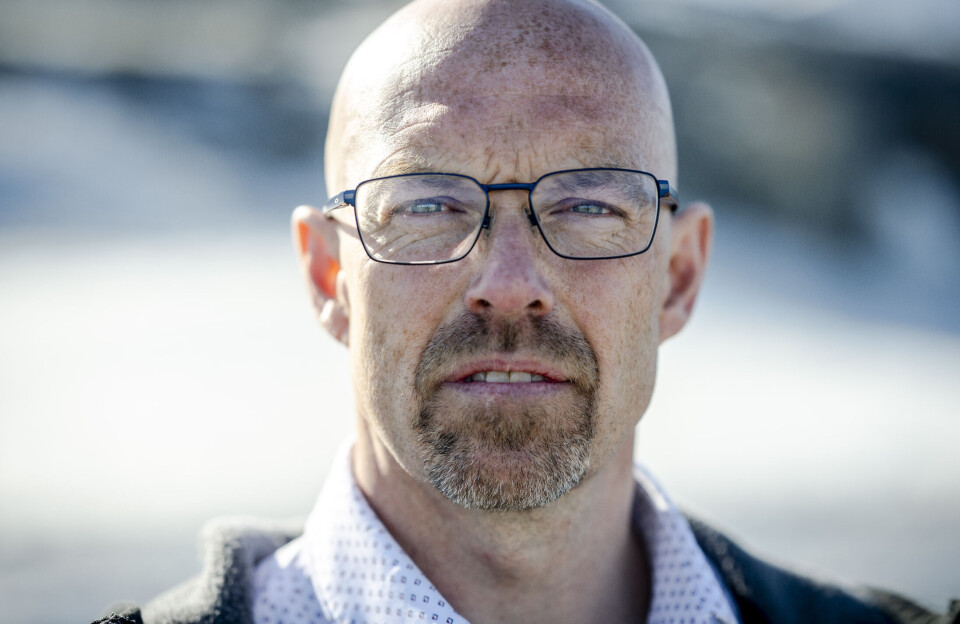

The mayor of Siumut in Avannaata Municipality, Lars Erik Gabrielsen, was severely provoked when Prime Minister Mette Frederiksen wrote on Facebook three weeks ago that "she was happy to live in a country where there was free and equal access to healthcare for everyone".
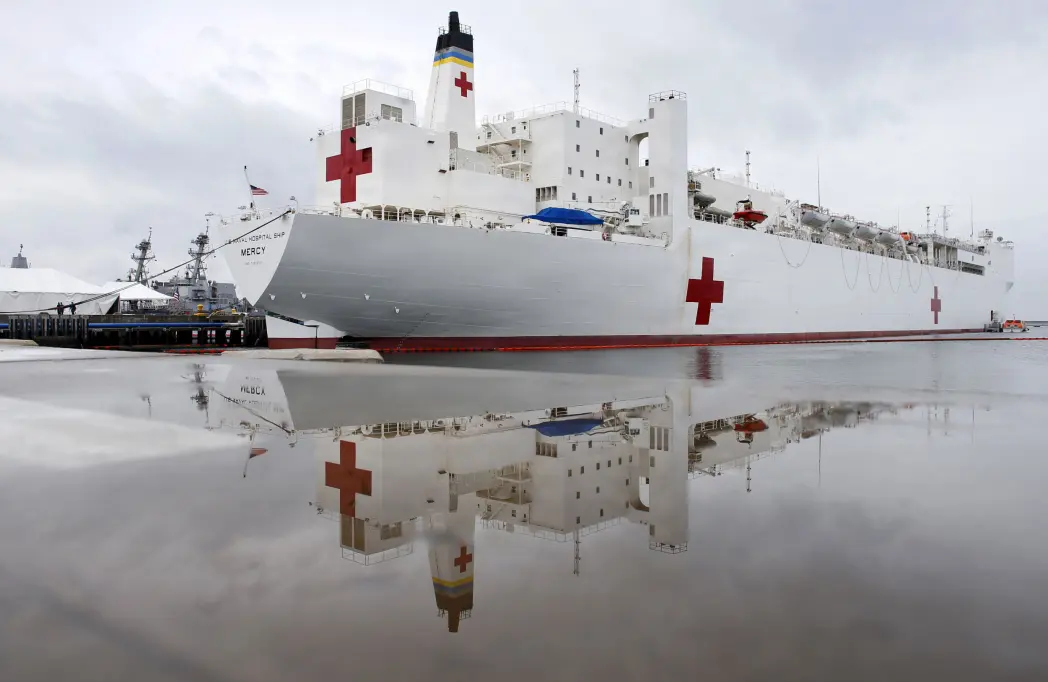
Her comment came after the US president announced that a hospital ship was on its way to Greenland to "take care of all the sick people in Greenland".
Most people in Greenland shook their heads at the US offer, but Lars Erik Gabrielsen also resonated with it, and he responded by welcoming the ship to Ilulissat.
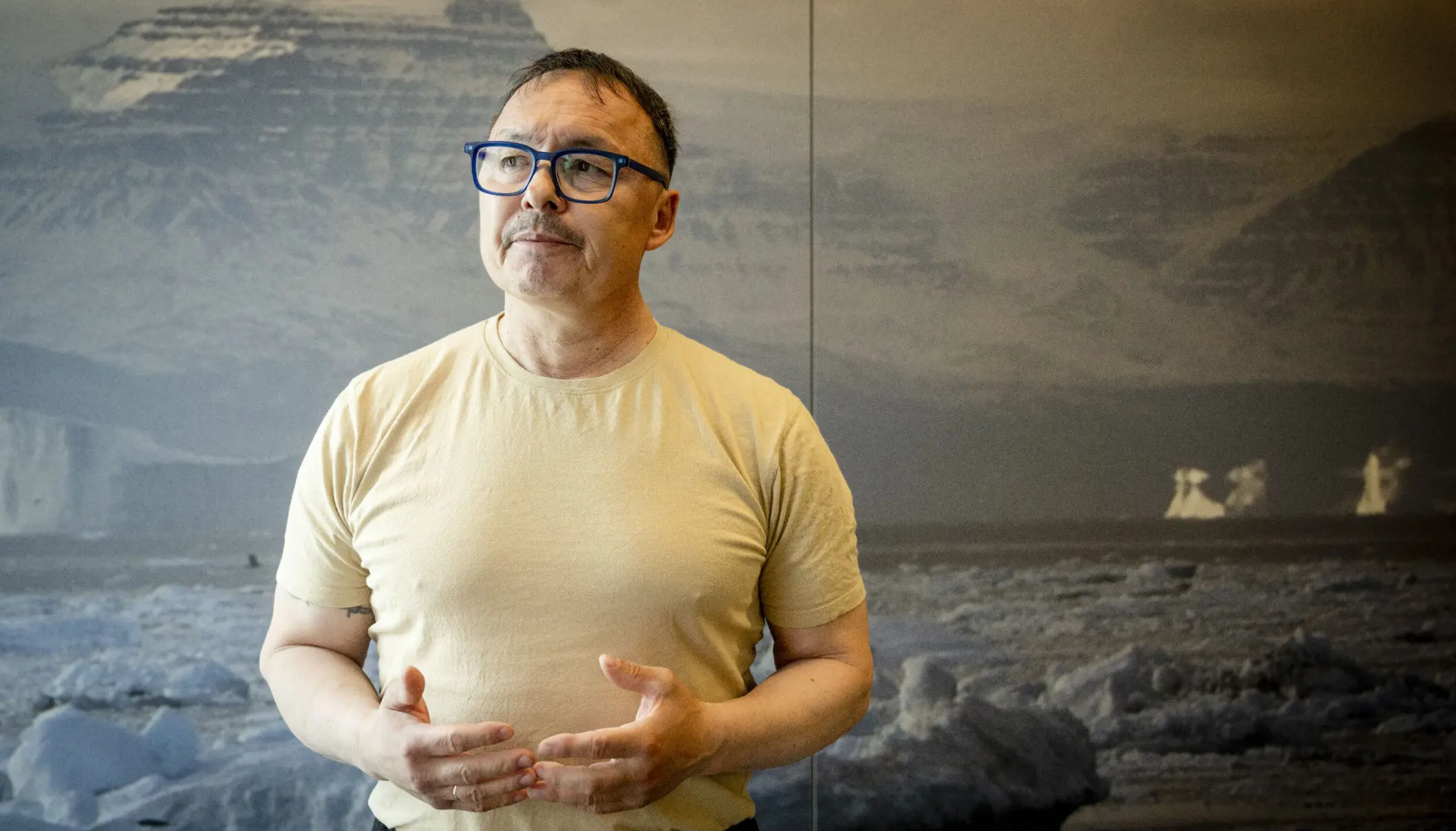
Action is needed
- Our healthcare system has major problems. All help is good - including a hospital ship. And it doesn't fit when Mette Frederiksen says that everyone has equal conditions. I represent a very large municipality, where we have very different conditions than in Nuuk and Denmark. My message is that I will fight for better conditions for our citizens, who pay the same taxes and who should therefore have the same conditions as everyone else in the Commonwealth, says Lars Erik Gabrielsen, who is well aware that many people believe that his position is hostile. But that one must understand the substance of what he says.
– Regardless of whether it is the President of the EU Commission or the American President who is interested in Greenland, my message is the same. We would very much like to have better conditions and conditions. Health conditions are ailing. In the settlements, we have no infrastructure at all. Conditions have been bad for many years. More listening is needed and action is needed - from Denmark, the EU or others completely, so that we can create better conditions in our towns and settlements, says Lars Erik Gabrielsen, who believes that the funds are not currently distributed fairly in Greenland.
Health risks in settlements and towns
Lars Erik Gabrielsen's criticism is directed at both the Greenland Government and the Danish government, because the health sector has been taken back, but with a frozen block grant, it may have become almost impossible for Greenland to find the means to, for example, install sewage and water in the many towns and settlements that are still lacking.
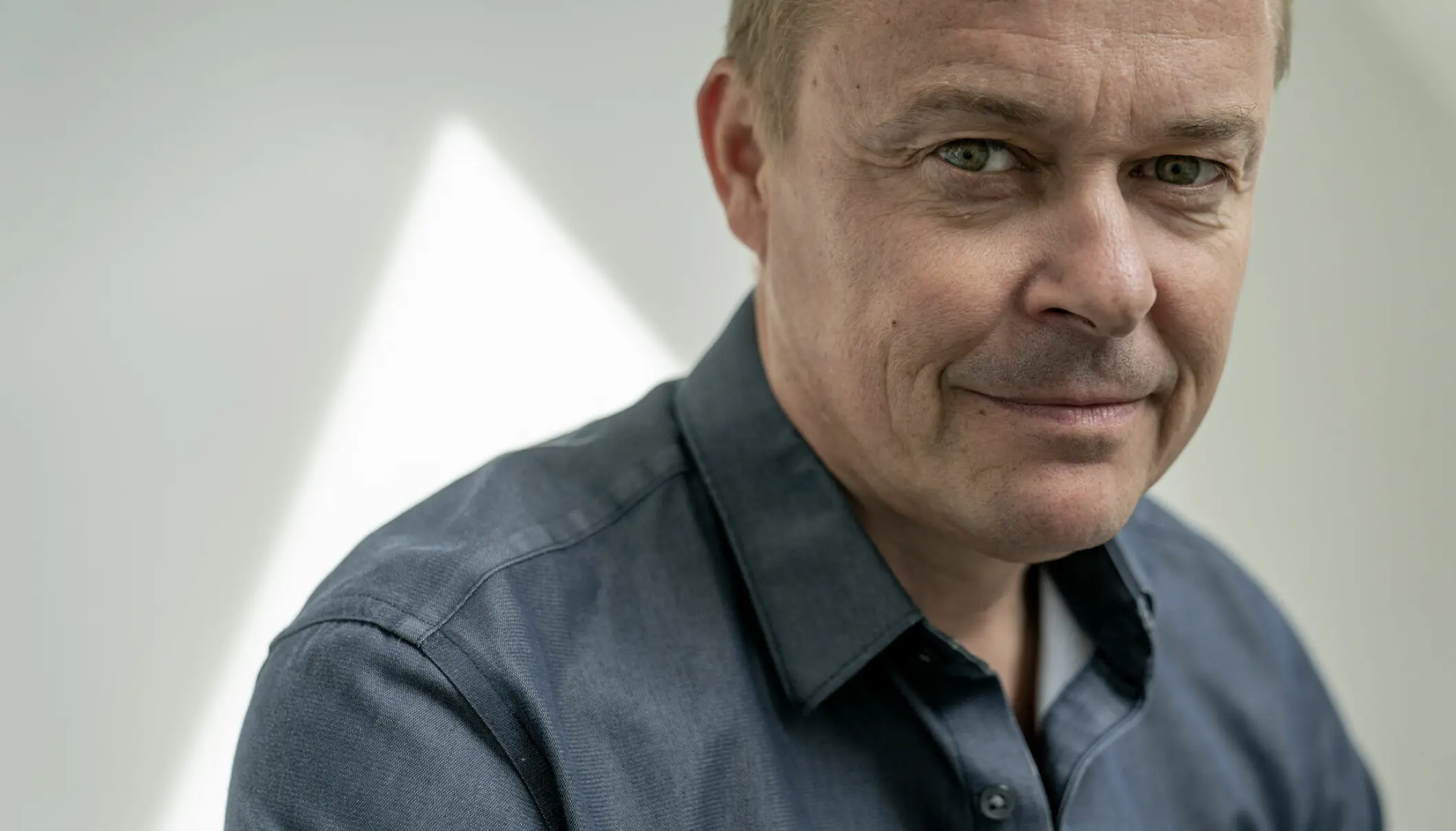
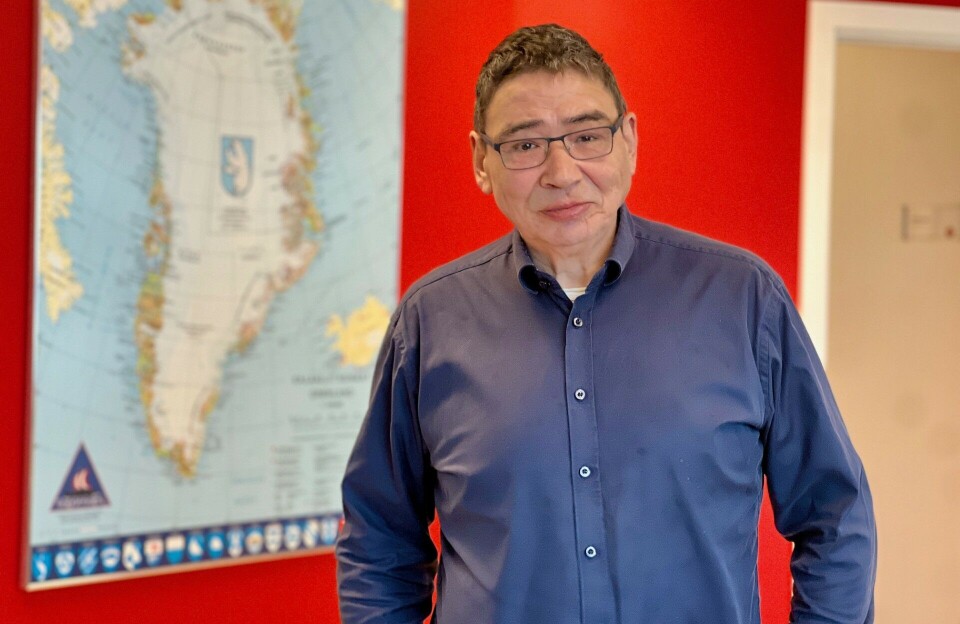
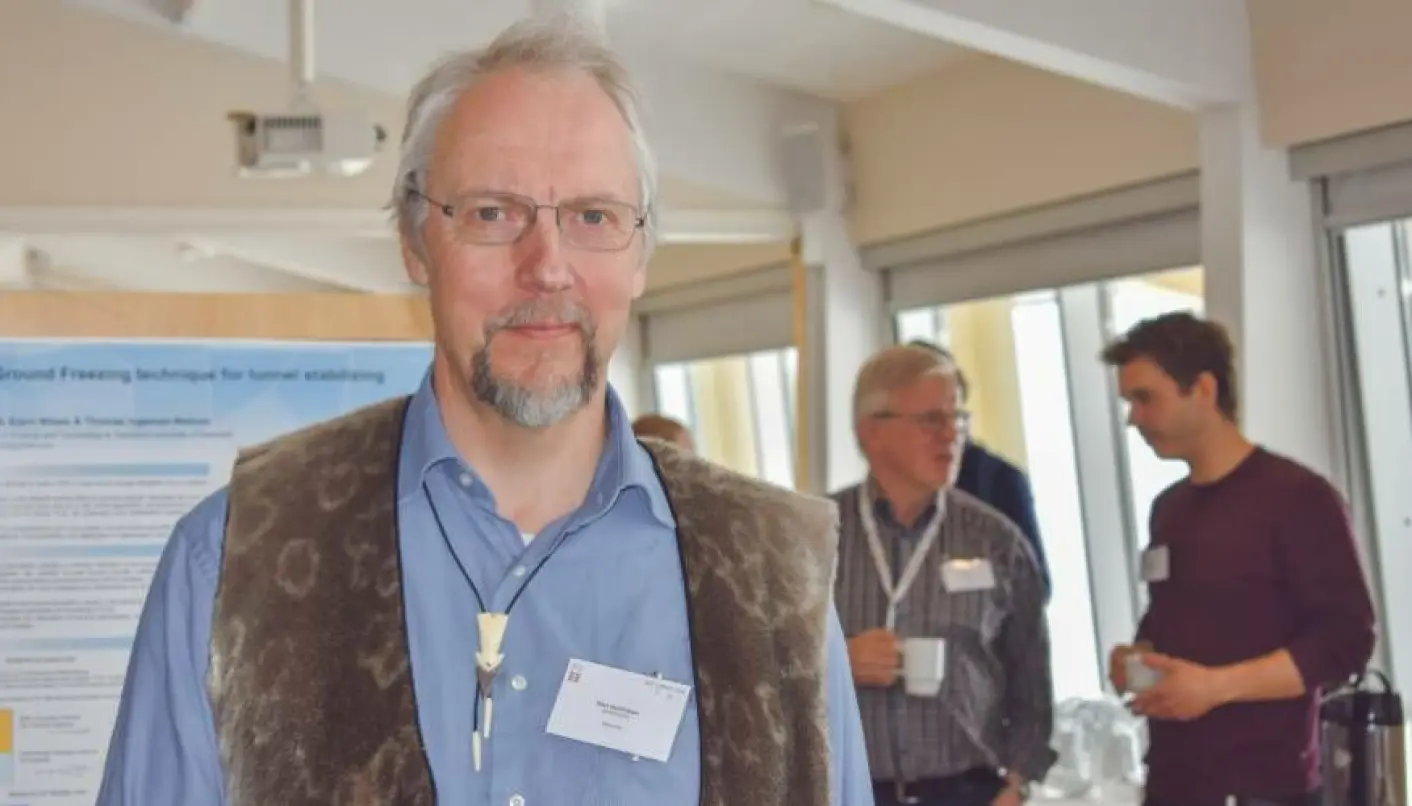
According to researcher, PhD and external associate professor at the Arctic Engineering Program in Sisimiut, DTU, Kåre Hendriksen, 15 percent of the country's households do not have running water and approximately 25 percent do not have sewage. They get water from taps and use dry toilets.
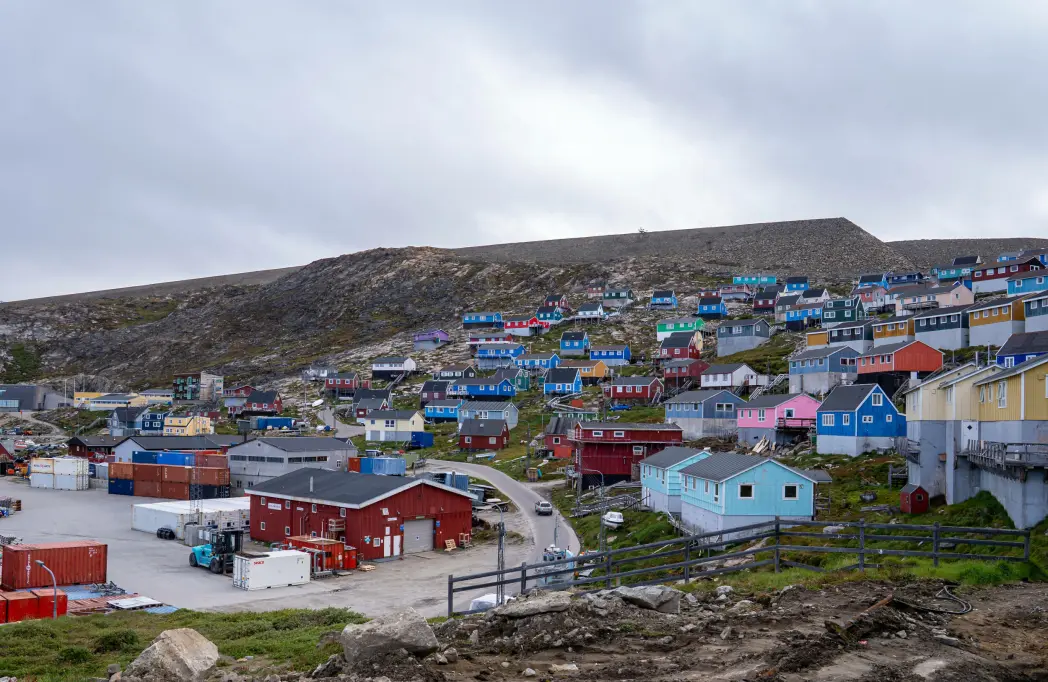
– In a town like Upernavik with 1,100 inhabitants, there is still no running water, and water consumption per inhabitant is less than 50 liters per day. The town also has no sewage system, so everyone uses dry toilets and the town has nighttime cleaning. A situation that poses health risks, says Kåre Hendriksen, who in January wrote a column in Sermitsiaq together with retired professor Ulrik Jørgensen and professor emeritus Birger Poppel about the investment backlog in Greenland.
In addition to Upernavik, there is also no water and sewerage in the towns of Qaanaaq and Ittoqqortoormiit, as well as virtually all settlements in the country except Alluitsup Paa. In addition, there are many towns where there is only partial sewerage, such as Qeqertarsuaq, Qasigiannguit, Paamiut and Nanortalik.
Danish underinvestment in Greenland
According to Kåre Hendriksen, there is a tendency on the Danish side to argue that the social problems and poor conditions are an internal Greenlandic matter, but the challenge, according to Hendriksen, is that the great inequality in Greenland was largely founded by the Danish state during modernization, and that the Danish underinvestment in infrastructure has been continued. In addition, he froze the block grant. – In 2020, when I last examined the situation, there were 8,800 citizens living without sewage and water. Today there are fewer of them. Not because sewage systems or water supply have been installed in recent years, but because people have moved from the settlements and smaller towns, says Kåre Hendriksen, who believes that the Danish government should acknowledge their investment backlog and the consequences that this has had for the block grant.
A substantial boost
In addition, Kåre Hendriksen agrees with Lars Erik Gabrielsen that there are challenges in the health sector, and that this is partly due to the fact that Greenland took over a "debilitated health system" in 1992 and that transport and recruitment challenges in Greenland are not the only two problems. The third problem is far too little financial room for manoeuvre for the health sector. – The Danish government should enter into dialogue with the Government of Greenland about a substantial boost in the health sector and contribute with investments in supplies, housing and the necessary infrastructure.
Health inequality
According to Statistics Greenland, the average life expectancy outside Nuuk is only 66 years for men and 72 years for women, while in Nuuk it is almost 70 years for men and 73 years for women. And according to a study conducted by the Greenland Center for Public Health in 2018-19, the assessment interval for cancer patients - i.e. from first contact to diagnosis - was significantly longer for patients outside Nuuk.
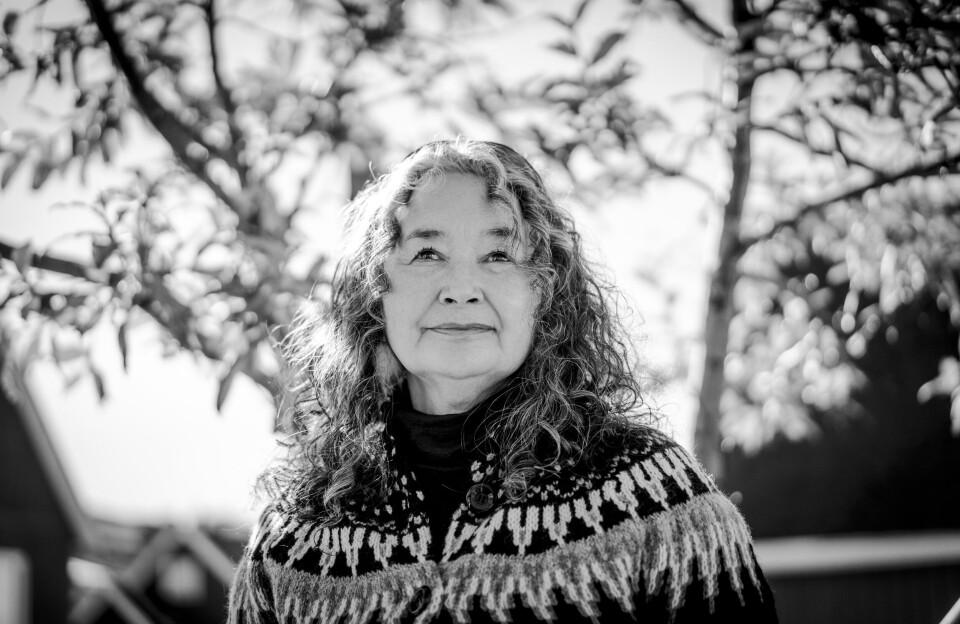
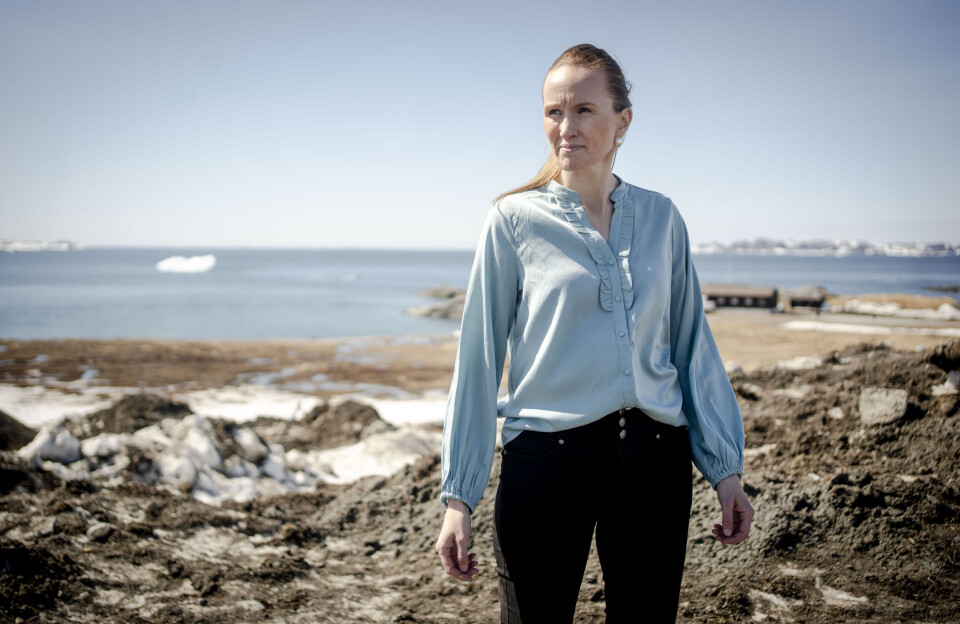
Since 2019, a number of initiatives have been taken to reduce the assessment interval, including telemedicine consultations, but General Practitioner Paneeraq Noahsen agrees with Lars Erik Gabrielsen that the most optimal for patient safety in the healthcare system is a stable, local staffing with both permanent doctors and nurses, where treatment can be provided with high continuity and good knowledge of the patient population.
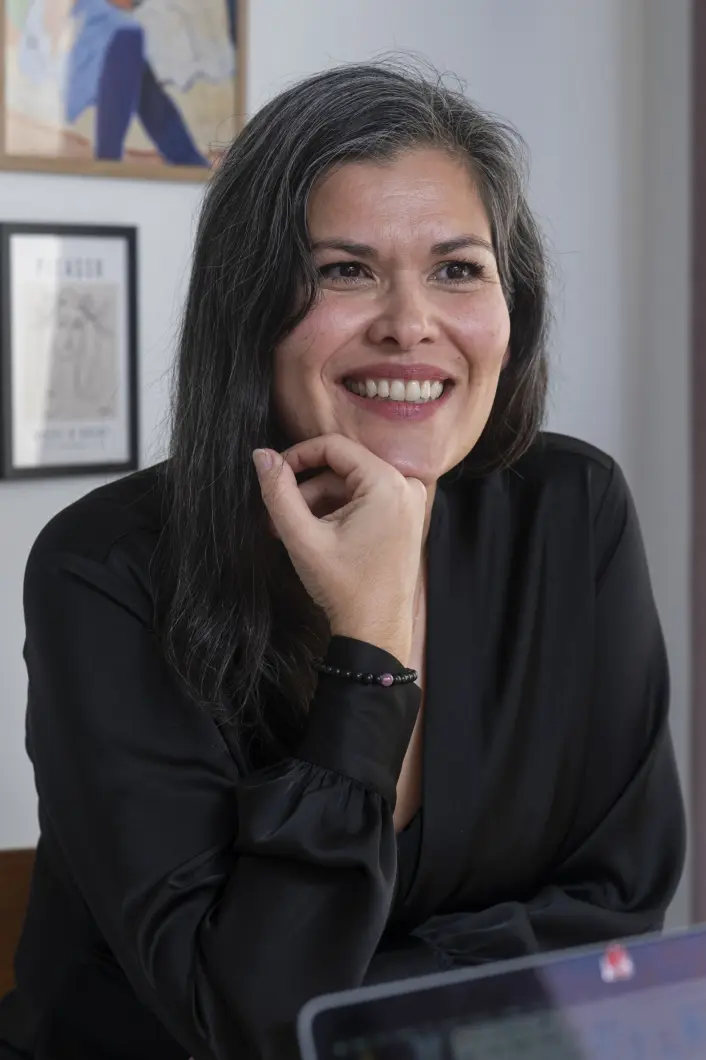
– In many small and geographically isolated communities, however, this is difficult to realize, due to, among other things, a global shortage of healthcare personnel and special recruitment challenges in sparsely populated areas. The use of changing short-term temporary doctors can ensure temporary doctor presence, but does not necessarily mean better patient outcomes or higher patient safety. Frequent changes of doctors can lead to interrupted examination courses, lack of follow-up and varying clinical practice, and can also provide a form of organizational or social “false security”, as the local community experiences medical coverage, even if continuity, local knowledge and skills in practice may be limited, says Paneeraq Noahsen.
Water shortages constitute a health problem
According to the regional doctor, experience from other Arctic regions indicates that a model with permanent local health personnel combined with permanent contact doctors in larger health units and telemedicine consultations with permanent doctors in many cases can support better continuity of patient care.
Regarding the sanitary conditions in the settlements, Paneeraq Noahsen does not believe that dry latrines pose a significant health risk if they are handled correctly, but she is concerned about the poor access to water in several settlements.
– In terms of health, access to sufficient amounts of clean water is often more important, as limited access to water can make daily hygiene and cleaning difficult, thereby increasing the risk of infections.
Abonnementer
Sermitsiaq.gl - web artikler
- Adgang til alle artikler på Sermitsiaq.gl
- Pr. måned kr. 59.00
- Pr. år kr. 650.00
Sermitsiaq - E-avis
- Adgang til Sermitsiaq e-avis som udkommer hver fredag
- Adgang til alle artikler på Sermitsiaq.gl
- Pris pr. måned kr. 191
- Pris pr. år kr. 1.677
AG - Atuagagdliutit E-avis
- Adgang til AG - Atuagagdliutit e-avis som udkommer hver onsdag
- Adgang til alle artikler på Sermitsiaq.gl
- Pris pr. måned kr. 191
- Pris pr. år kr. 1.677
Sermitsiaq.AG+
- Adgang til AG - Atuagagdliutit e-avis som udkommer hver onsdag
- Adgang til Sermitsiaq e-avis som udkommer hver fredag
- Adgang til alle artikler på Sermitsiaq.gl
- Adgang til Arnanut e-magasin
- Adgang til Nutserisoq.gl
- Ved interesse send en mail til abonnement@sermitsiaq.gl
Kære Læser, Velkommen til Sermitsiaq.gl – din kilde til nyheder og kritisk journalistik fra Grønland. For at kunne fortsætte vores vigtige arbejde med at fremme den frie presse og levere dybdegående, kritisk journalistik, har vi indført betaling for udvalgte artikler. Dette tiltag hjælper os med at sikre kvaliteten af vores indhold og støtte vores dygtige journalister i deres arbejde med at bringe de vigtigste historier frem i lyset. Du kan få adgang til betalingsartiklerne fra kun kr. 59,- pr. måned. Det er nemt og enkelt at købe adgang – klik nedenfor for at komme i gang og få fuld adgang til vores eksklusive indhold. Tak for din forståelse og støtte. Dit bidrag hjælper os med at fortsætte vores mission om at levere uafhængig og kritisk journalistik til Grønland.