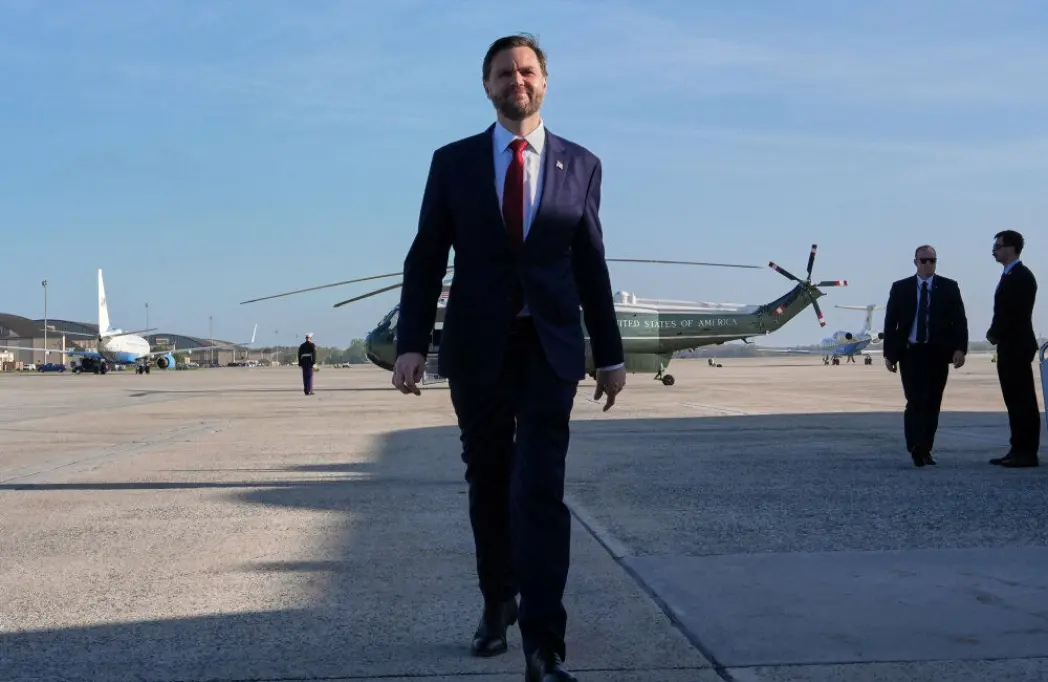
US Vice President J.D. Vance left for peace talks with Iran in the Pakistani capital, Islamabad, on Friday.
He will lead the US delegation that will negotiate with the Iranians.
Shortly before Vance boarded the plane, he told reporters that he believes the talks will be positive.
This is reported by CNN.
- As the US president has said, we are certainly willing to lend a hand if the Iranians are willing to negotiate in good faith, he said according to the media, adding:
- If they intend to cheat us, they will find that the negotiating team is not so accommodating.
The vice president also said that the US delegation has been given "some pretty clear guidelines" for the negotiations by US President Donald Trump.
However, Vance did not elaborate on what the guidelines entail.
In addition to the vice president, special envoy Steve Witkoff and President Trump's son-in-law Jared Kushner are also participating in the negotiations from the American side.
Iran has not officially announced the composition of its delegation. However, unnamed sources have previously told Reuters that the Iranian delegation will be led by Iran's parliament speaker, Mohammad Baqer Qalibaf, and Iran's foreign minister, Abbas Araqchi.
There are already initial discussions between experts on Friday before the main meeting on Saturday, according to Pakistani security sources.
The talks are expected to take place at a hotel in the capital and come after the US and Iran agreed on a two-week ceasefire brokered by Pakistan on Wednesday night.
The ceasefire is expected to expire on April 22.
The US has presented a 15-point list of proposals and demands to Iran. It reportedly includes scaling back Iran's nuclear program, limiting its missile arsenal and reopening the Strait of Hormuz.
Iran responded with a ten-point plan that demands control of the strait, tariffs and an end to all regional military operations, as well as the lifting of all sanctions on Iran.
/ritzau/