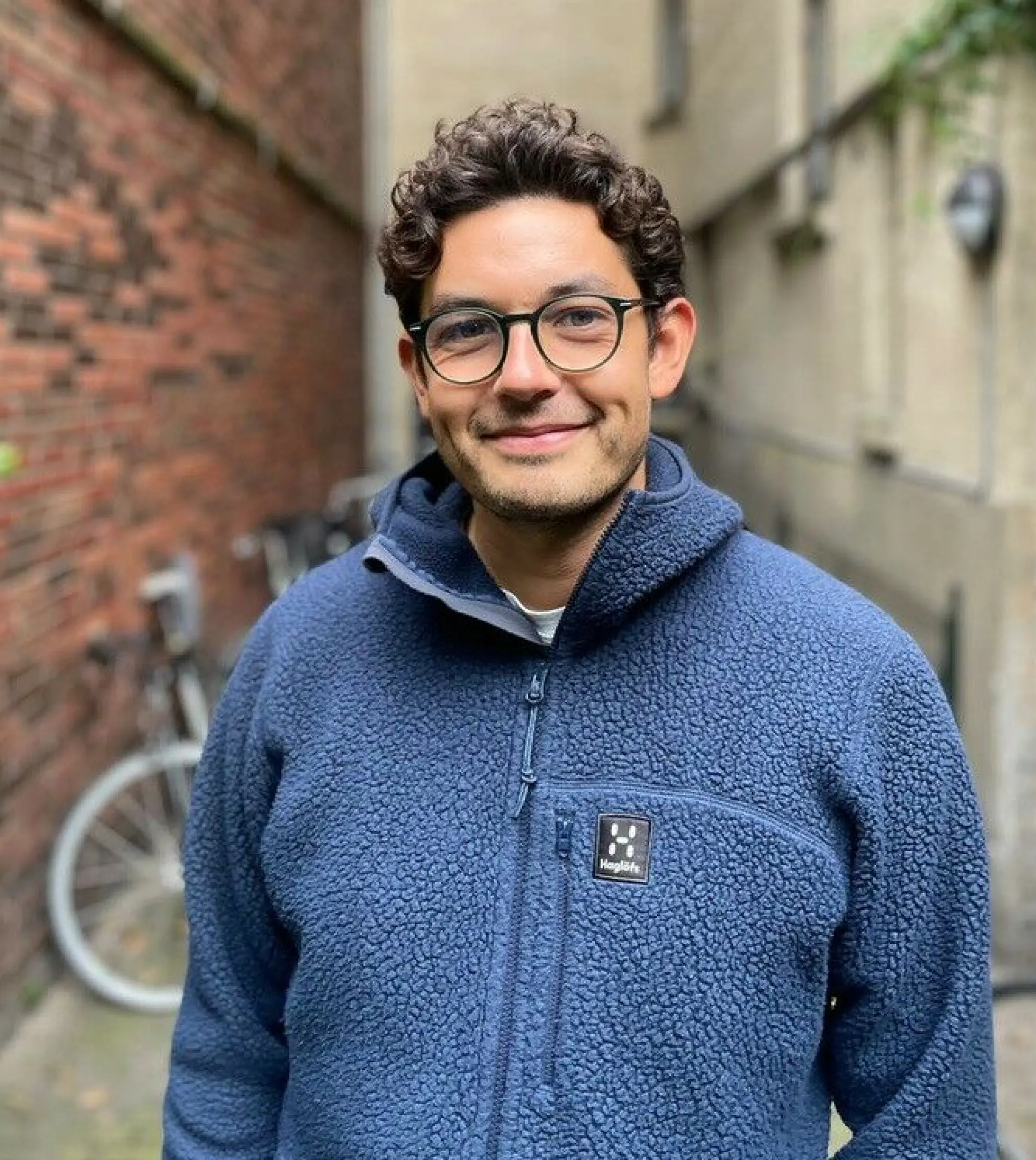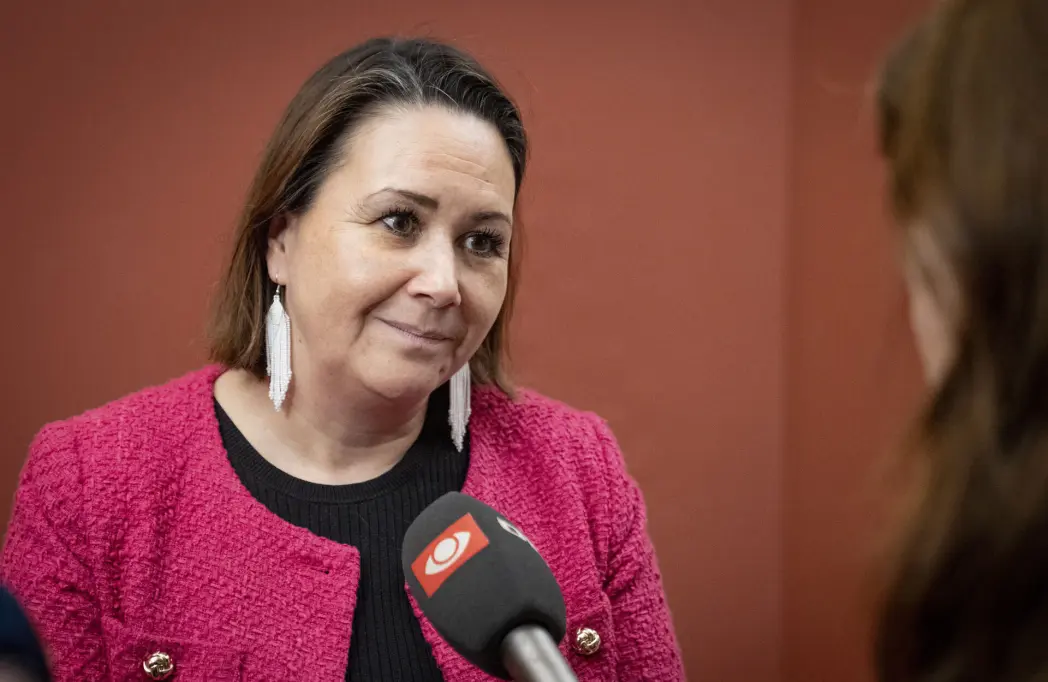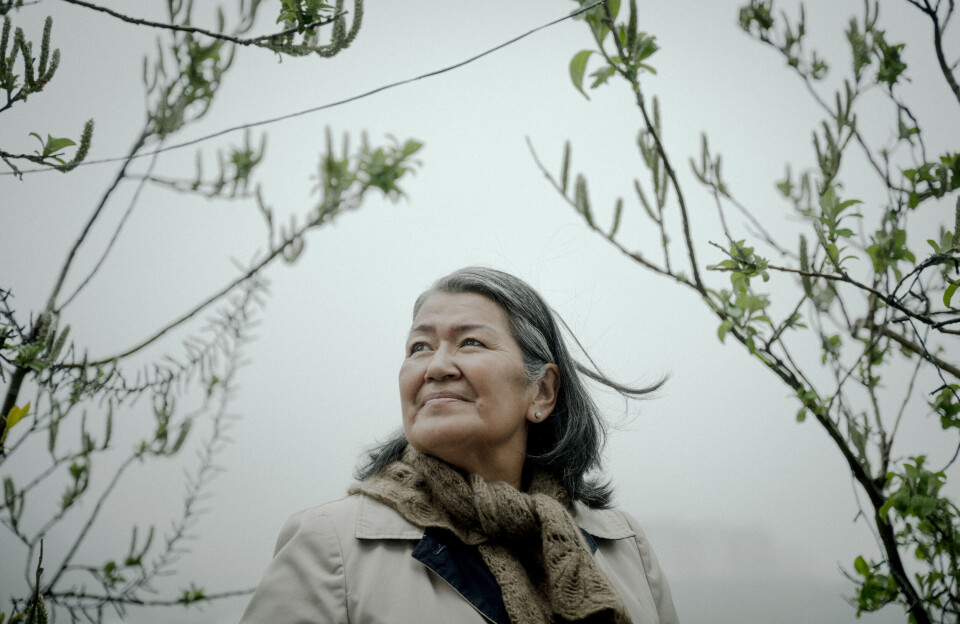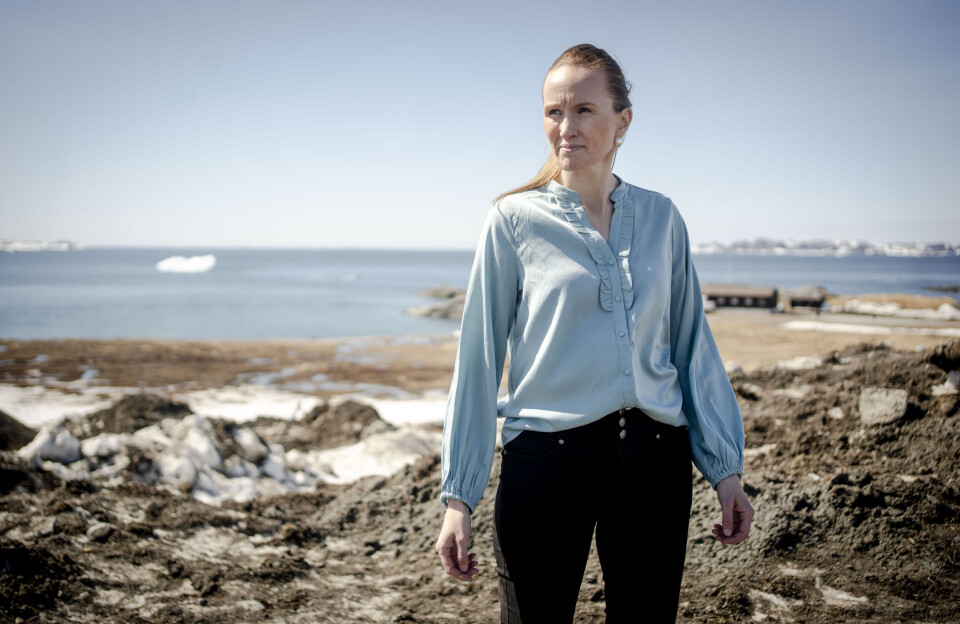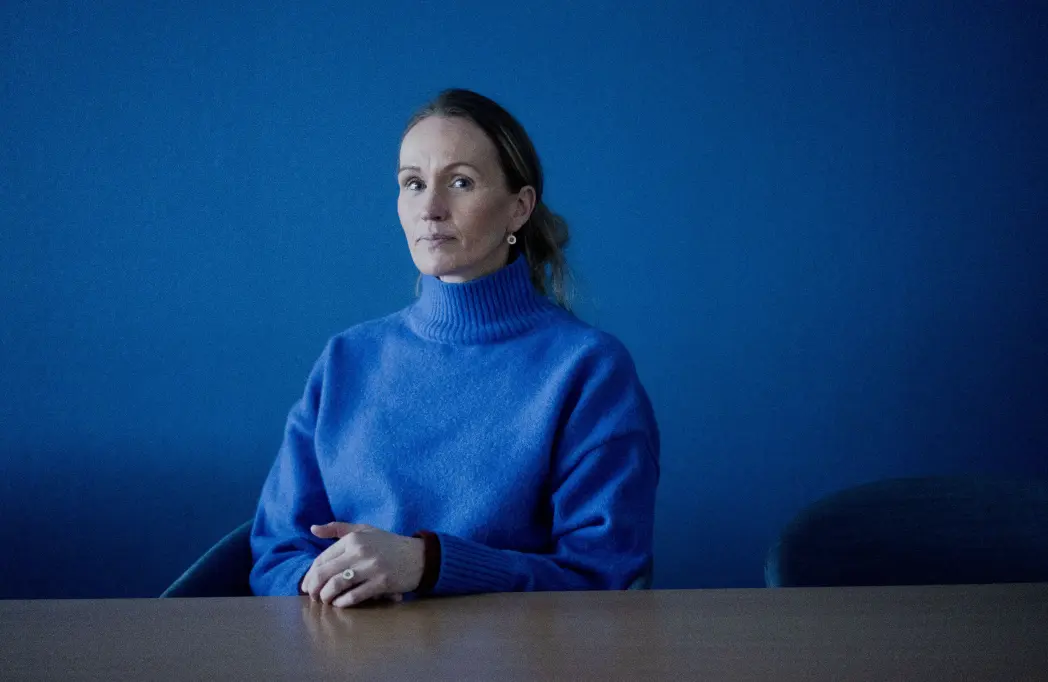

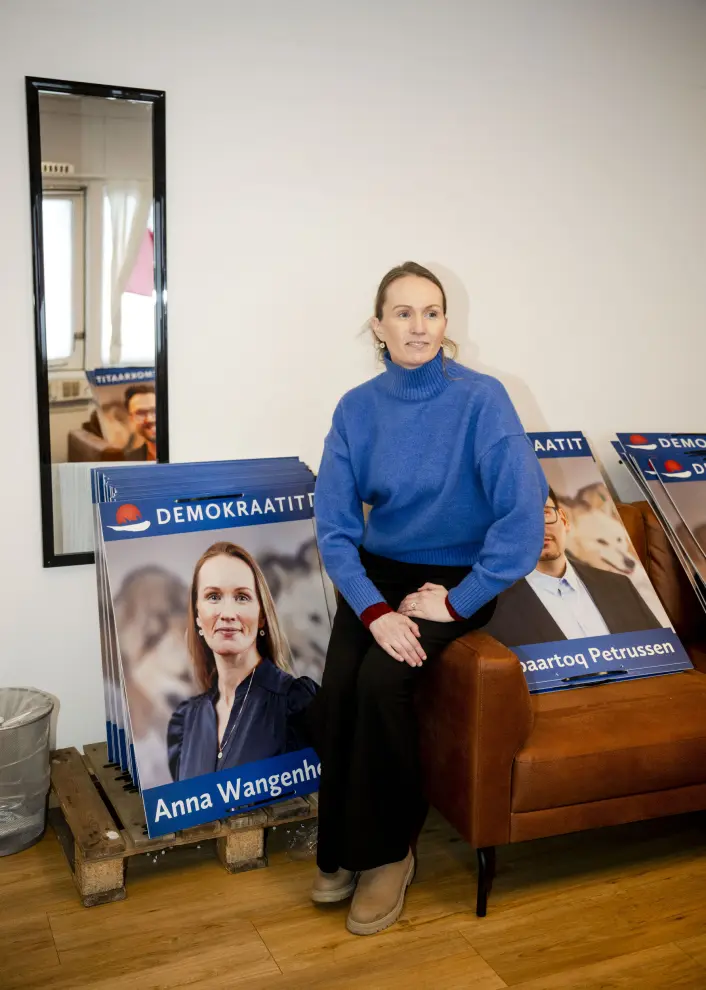
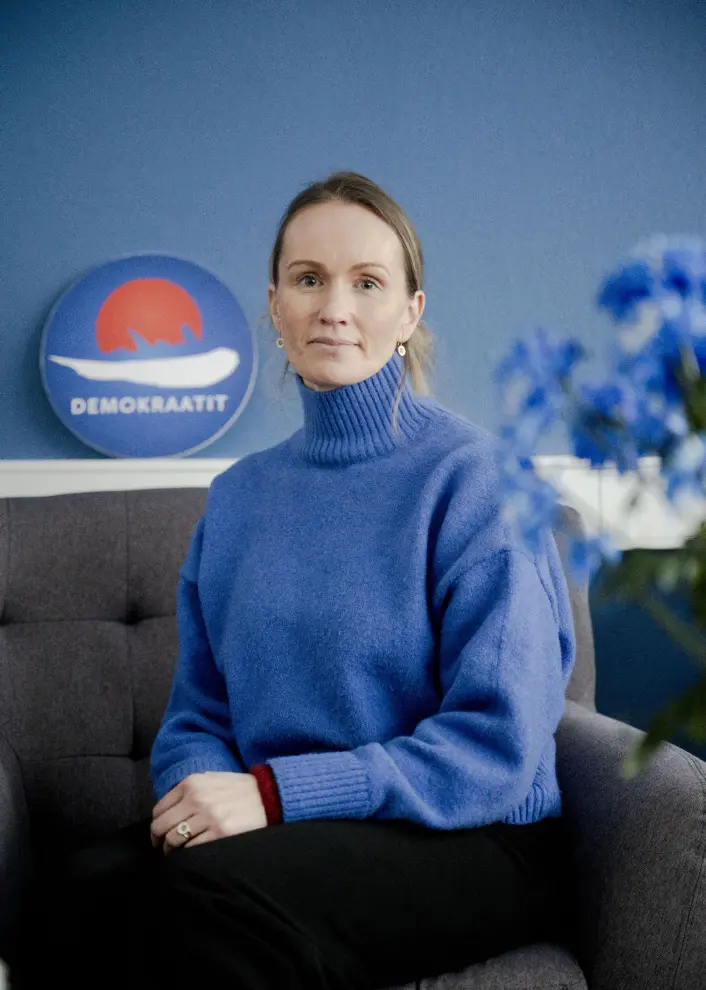
Anna Wangenheim is running for the Folketing again, and many are tipped as a good bet to be among the two winners this time.
In the 2022 parliamentary election, she and Demokraatit came within 1,200 votes of IA and Aaja Chemnitz. Since then, she has become naalakkersuisoq for health and people with disabilities and has become better known in Greenland.
On March 24, it will be seen whether health politician Anna Wangenheim will soon become rapporteur for everything in her own one-man parliamentary group. Sermitsiaq has interviewed her in the meantime.
Anna Wangenheim, can you still make a difference for health if you become a politician in the Folketing?
- Yes, I can work for cooperation with the Danish regions. As Minister of Health in Greenland, I have not been able to influence them, but as a member of the Folketing, I can, says Anna Wangenheim.
- Of course, in cooperation with the Danish Minister of Health and the Greenlandic Government, she continues.
Should health in principle be a Greenlandic responsibility, now that responsibility has been taken home many years ago?
- A commonwealth is also about consideration and care for each other's citizens. I fundamentally believe that when we took home the health sector in 1992, sufficient professional capacity and potential for development were not ensured. This creates a major structural challenge, which we are now taking responsibility for.
- And if you look at the disability area, the Danish state has committed itself to the international conventions in the area on behalf of the entire kingdom, since there is no Greenlandic state yet. Therefore, the obligation naturally applies to Greenlanders as Danish citizens.
There is an extra dimension to the issue, which is clearly important to Anna Wangenheim:
- Right now Greenland is losing its citizens, she notes.
- We are losing citizens because we cannot take care of them. These may be citizens with disabilities, but also resourceful parents of children whom we cannot accommodate in a school life, she says.
Perhaps the solution is to send the healthcare area and the bills back to Denmark, as Atassut suggested?
- No, that is not the solution. We have the right to self-determination, and Denmark, as a former colonizer, has a duty to contribute to the development of the society it once colonized.
- It's about moving closer together and finding constructive solutions together, says Anna Wangenheim.
More political features on the shelves
Of course, the election is about more than health, also for Demokraatit. Here are some excerpts from the party's election program:
There must be significant improvements across the entire legal area, which is still a state responsibility. Fair treatment of Greenlanders in Denmark. Better knowledge of Greenland among Danes.
And Greenland must be included when the states discuss relevant issues, including in the climate area, believes Demokraatit.
You write in the election program that you are not in the Folketing to conduct Greenlandic domestic policy in Copenhagen. How can you, for example, make a difference for disabled children in Greenland without it becoming domestic policy?
- Yes, of course it sounds domestic policy, even though we are talking about international conventions. There are over 30 areas of concern for which Denmark continues to have responsibility, and which concern our everyday lives here in Greenland.
So I should understand that you are not in the Folketing to conduct Greenlandic domestic policy in Copenhagen, but is that difficult to avoid?
- That is certainly true, says Anna Wangenheim and continues:
- Basically, it calls into question the entire constellation between Greenland and Denmark. Who is responsible for what? It is stated in the Self-Government Act and the Constitution, but ends up being very vague in reality. That is why it is also important that we elect candidates for the Folketing who work together and follow a common thread in common with Naalakkersuisut and Inatsisartut.
Should the political community initiate some repatriation of the aforementioned areas of concern?
- We would like to look at repatriation, but it is important to be realistic. We need to know the foundation for what it will cost to repatriate and run those areas, and what personnel and professional skills we will need. I also think that what is missing from the debate is that we will have fewer people in Greenland in the future. So we need to clarify what will be needed and what the financial framework should be.
Economy is important, but not everything
- I would also like to remind you that Greenland should not just be reduced to an expense for Denmark in the debate, says Anna Wangenheim.
- All the Danes I meet up here tell me that they feel healthy when they come up here – they feel nature, they feel the peace. In the Danish election campaign, they talk a lot about the lack of clean drinking water. What do we have here?
- Let's also think in constructive cooperation and elect each other and not reduce ourselves to economic issues. I really want more of the kingdom's children and young people to meet each other and get to know each other. For example, through culture or sports or college.
In the Danish election campaign, they also talk a lot about who should be prime minister. Have you considered that question?
- Yes, of course I have an opinion on who should be prime minister. It must be someone who sees us as an equal partner in the Kingdom.
Here we would of course like to know if it is a specific person that Anna Wangenheim has in mind. Demokraatit is known as a blue party, but apparently does not point to anyone in advance.
- Right now I cannot say whether it will be a red or a blue prime minister. It must be up to negotiations if it becomes relevant, says Anna Wangenheim.