
When you've had your third helping of rice porridge and are starting to consider a nap, it can feel like the most inconvenient time in the world to lace up your shoes.
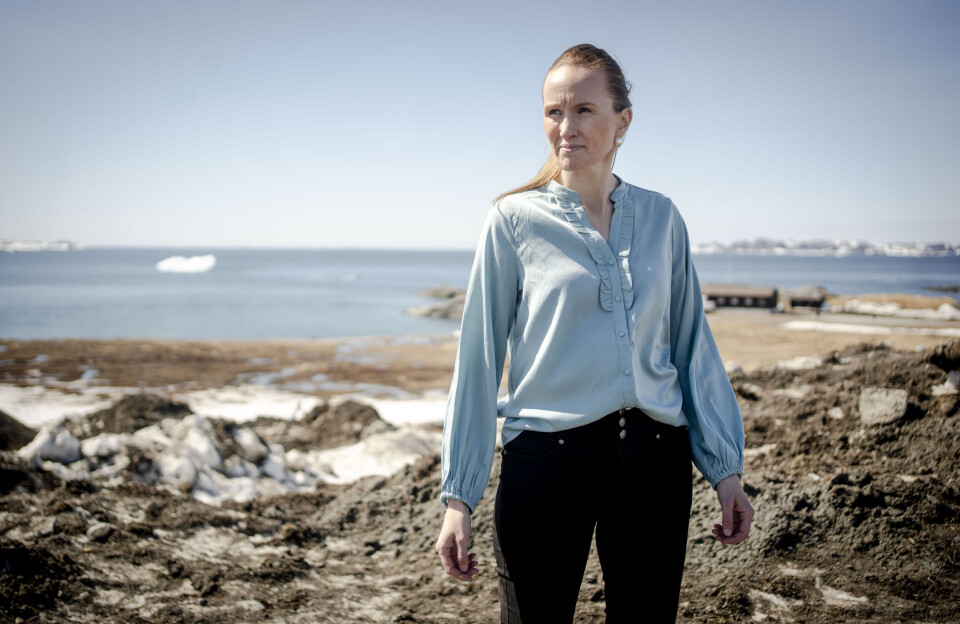
But especially during the Christmas month, it can work wonders to get your body moving. Natasja Hagemann, co-owner of Nuuk Osteopathy and Physiotherapy and a physiotherapist for 12 years, knows all about it.
Movement brings profit – even in December
December is a month for many people, filled with food, social events and practical chores. It can be difficult to find time for exercise, and for some, physical activity slips completely off the calendar when energy is consumed by everything else that comes with the holidays.
- In December, food typically becomes fattier, and the calendar is filled with events and gift shopping. This means that many people unfortunately lack the funds for physical activity – and this has completely natural consequences for our health, explains physiotherapist Natasja.
But even small amounts of movement can make a noticeable difference. According to Natasja, it's not about training hard, but about giving the body what it needs so that it functions at its best during a month where the pace is fast and the temptations are many.
- Exercise and physical activity are essential for both heart, muscles and mental health. It helps lower the resting heart rate so that the heart is not unnecessarily strained, and it makes the body better able to cope with the ordinary demands of everyday life. That is why it is really important that we keep moving – also in December, she says.
And according to Natasja, it doesn't have to be complicated. On the contrary, even short walks or light exercises in the living room can give the body a much-needed energy boost – and make the Christmas days both easier and more productive to get through.
When is the best time to train?
While exercise in December is a great idea, timing is key – especially when the Christmas menu consists of heavy, fatty dishes. Many people may think that a quick jog between meals is a smart way to compensate for Christmas calories, but according to Natasja, it is rarely a good solution.
- When it comes to digestion, I would never recommend exercising between meals, even though many people think it is good. When we eat, a large portion of the blood is sent to the stomach and intestines to help digestion. If you start exercising right after a heavy meal of Christmas food, you may experience dizziness, discomfort, side effects – or in the worst case, become downright sick, explains Natasja Hagemann.
How quickly the body is ready to move again depends on what has been on the plate. Regular meals are digested more quickly, while classic Christmas favorites require significantly more time.

- With some meals you can start moving after half an hour, but when it comes to Christmas food, which is often fatty, it usually takes three to four hours before the body is ready for exercise, she says.
Therefore, Natasja recommends reversing the order and getting the movement in before sitting down at the table.
- The recommendation is clear: start doing some home workouts before you go to the table for the big Christmas dinners. That way, your body gets the benefits of exercise and at the same time has time to digest the fatty Christmas food, she says with a smile.
But that doesn't mean you have to spend the rest of the day lying on the couch. Light activity can both help your body and add a little extra Christmas spirit.
- It's always a good idea to go for a walk between meals – the digestion can easily tolerate it, and at the same time it's a nice, social activity to go for a Christmas walk in a group, laughs Natasja.
The sweet swing of Christmas
Christmas offers a long list of treats: sweets, cakes and maybe a glass of wine or two. For many, this means that normal, regular meals are pushed aside, and the result can be big fluctuations in blood sugar. This can cause fatigue, hunger and mood swings – but fortunately, there are ways to keep blood sugar more stable.
- If you start with the red cabbage salad and vegetables before you start with the meat and potatoes, you will automatically get a more stable blood sugar after the meal. It also helps to curb cravings for sweet Christmas snacks, explains Natasja Hagemann.
It's not just about the order of the food, but also how you distribute the contents of the plate. A well-balanced plate with vegetables, protein and carbohydrates follows the Danish Health Authority's recommendations and provides the body with nourishment, energy and stability - even when the Christmas table is full of temptations.
With a little thought, you can enjoy the Christmas treats without paying the price in the form of fatigue or sugar cravings, and you don't have to sacrifice fun for your health.
Movement against Christmas stress
Christmas is cozy, but also hectic, and many people find that their calendar is filled with chores, events and Christmas shopping. Fortunately, there are good ways to handle Christmas stress, explains Natasja Hagemann.
"Exercise is an effective way to regulate the nervous system. The endorphins that the body releases during physical activity simply help to reduce stress symptoms," she says.

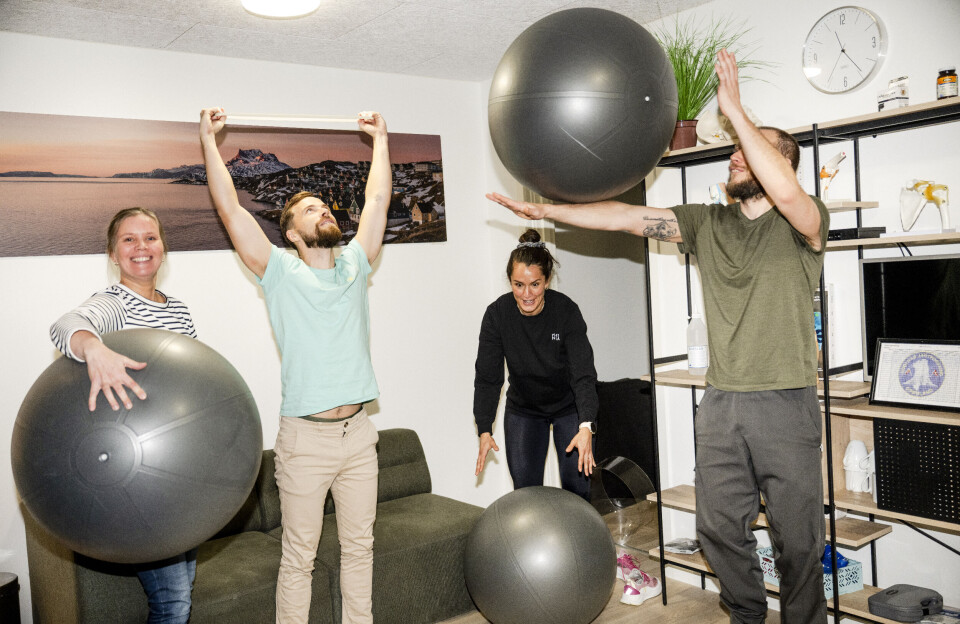
The best thing is that it doesn't require a lot of sports equipment. Even with small exercises at home in the living room, you can get your body moving and feel the effect.
"Squats are an exercise that can be adapted to all ages and levels. For older people, it can be as simple as getting up and sitting down from a chair," explains Natasja as she demonstrates.
In addition to classic exercises, Natasja encourages bringing Christmas creativity into play and playing with movement together.
- A round of “It’s Christmas again” dancing throughout the house, up and down the furniture, gets your heart pumping and makes you laugh. Both are incredibly healthy for both body and mind, says Natasja with a smile.
And if the weather permits, there is another simple way to get some exercise into your Christmas routine: getting outside.
- Hopefully Christmas will be white, and if it does, I would encourage both young and old to come out. Have a snowball fight, build a snowman or a snow cave. When you come back inside with fresh, red cheeks, Christmas food also tastes better because there is balance in life, says Natasja.
So fill your calendar with both Christmas lights and small, heart-pumping moments – from a quick dance in the living room to a brisk walk outside in the snow. That way, Christmas will be both cozy and lively, and your body will thank you for your care. If you need inspiration, here are simple exercises that can be easily done at home in your living room – small breaks with movement that give you energy and a smile. Merry, moving Christmas!