New DNA studies reveal that dogs were already closely related to humans up to 15,800 years ago and quickly spread over great distances. The dog originated from the wolf and was probably domesticated by humans towards the end of the last ice age. But how, why and exactly when this happened, scientists still do not know.
There is a missing link - or a missing wolf - that connects the dog to the gray wolf, Canis lupus, to which the dog is genetically most closely related. In two new studies, two research teams come a big step closer to solving the questions about the dog's origin, and they make us understand significantly more about the dog's history.
- These are two rather wild and large studies, says DNA researcher Mikkel Sinding, who has read the studies for Videnskab.dk.
In one study, DNA from over 216 different dogs and wolves from ancient times, spread across the European continent from 14,000 to 8,000 years ago, is analyzed. The amount of data is so large that Mikkel Sinding guesses that it "must have been expensive".
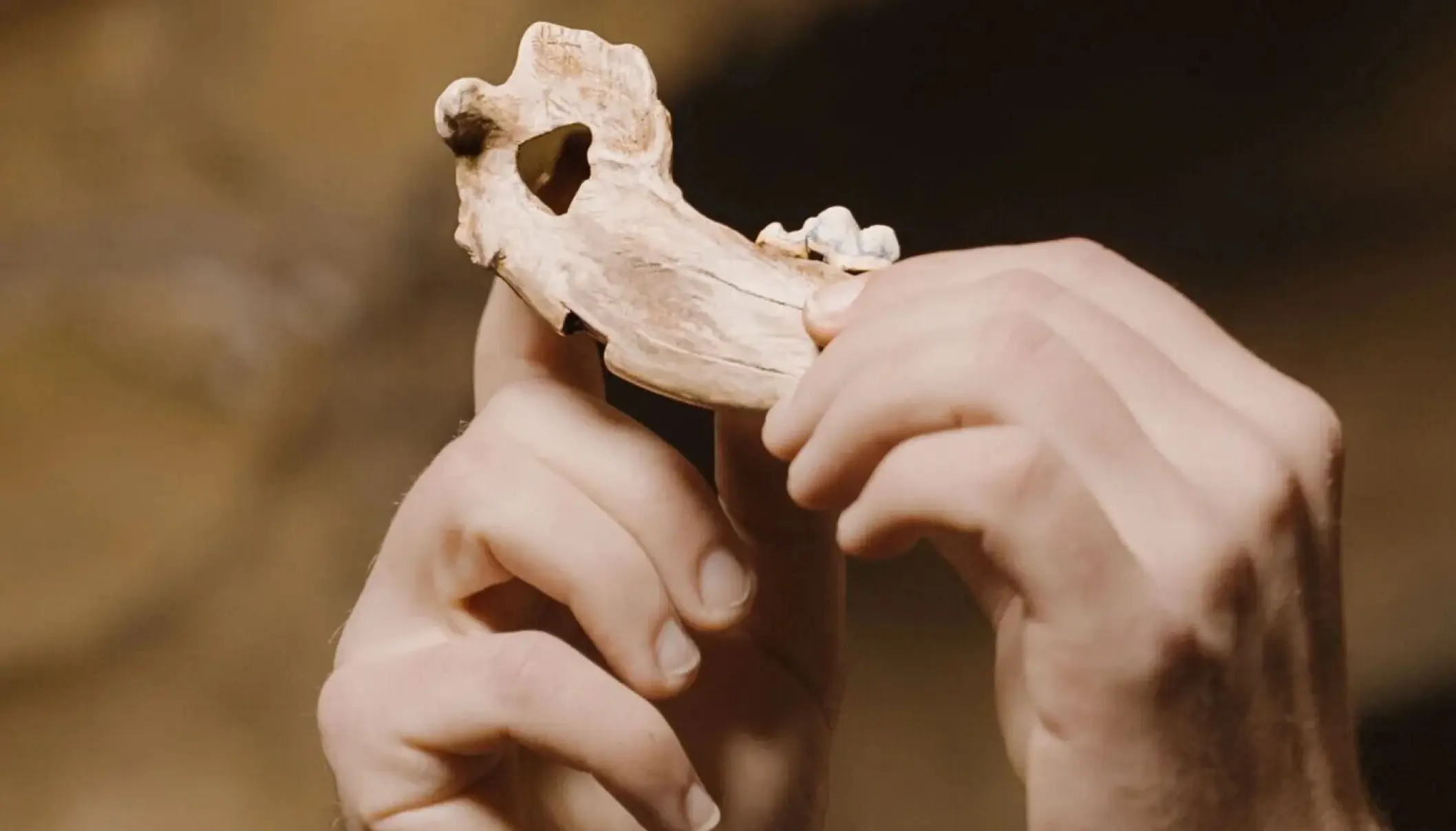
In the second study, the researchers find with genetic certainty the oldest dog known to science. The bones from the dog are 15,800 years old. That is several thousand years older than the previously genetically certain oldest dog in the world. Its genetics draw threads for many European dogs today - for example, the German Shepherd.
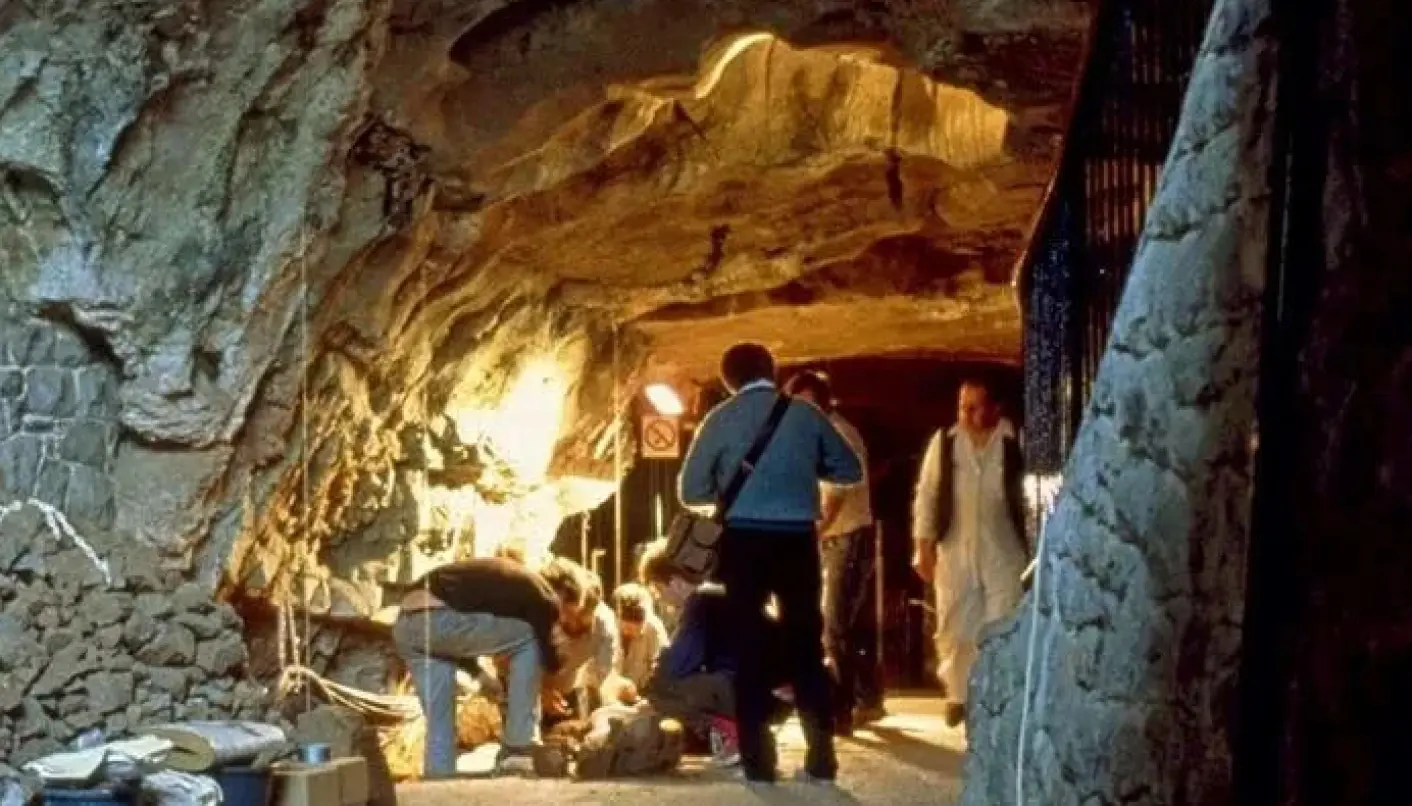
- Here they find the Easter egg. Researchers have been hunting for the first dog for years, says Mikkel Sinding, who is an adjunct associate professor at the University of Copenhagen and a senior researcher at the Greenland Institute of Natural Resources.
The first dog can help researchers understand what happened around the last ice age, when the dog won the hearts of humans and, with humans, spread across the globe.
"Dog wave" hit the Middle East and Europe
The two studies complement each other well, says Mikkel Sinding. From the oldest dog in Turkey, DNA threads are drawn to the over 200 other dogs from ancient times in the second study.
This tells him that the dog was already widespread in ancient times. A concrete example of this can be found in the study with the oldest dog. This also includes a dog from Britain that is 14,300 years old and thus the second oldest dog we know of. Despite the vast distances - 3,000 kilometres - the two dogs are more genetically related than any other dog in the studies.
- Although people across Europe and Turkey during this period were several culturally and genetically distinct groups, it appears that dogs were an integral part of these societies, says Ian Barnes, co-author and researcher at the Natural History Museum.
The researchers point out that Stone Age dogs are genetically significantly more closely related than human groups were - from the Middle East to northwestern Europe - at that time. This suggests that dogs played a central role in hunter-gatherer societies, the researchers believe.
Mikkel Sinding completely agrees:
- There will be a wave of dogs, where they will spread in no time. So fast that they are still related to each other.
Genome analysis muddies the wolf question
The dog is a domesticated wolf. The researchers believe they are absolutely certain of that. The similarity between dogs and wolves is also noticeable. But there is a big difference between the DNA of dogs and wolves, says Mikkel Sinding. So big that it is difficult to see when there has been a wolf that has genetically gone in the direction of a dog.

- With the samples we have today, dogs and modern wolves separated genetically 30,000 years ago, so the wild wolf ancestor must be found within that time frame, says Mikkel Sinding.
This does not mean that a set of dog bones must be found somewhere that is 30,000 years old.
This means that a wolf population went in a new genetic direction at the time that led to the first dog, says Mikkel Sinding.
In the two new studies, they have been able to distinguish between dogs and wolves more clearly than before through genome analyses. And the large data set makes it easier for other researchers to do the same in the hunt for the genetic dog-wolf connection, says Mikkel Sinding.
- They are cleaning up the previously published data that were not so strong on their own.
Surprisingly, however, the ancient dog in Turkey is more closely related to many European dogs we have today than to the wolves that existed 16,000 years ago. The trail to a genetic wolf ancestor of the dog has therefore not become much warmer in the new studies.
This leads Mikkel Sinding to speculate that there may be a wolf population that we do not know about. An isolated wolf that stayed in a smaller area and was repelled by other wolves that could crack the code.
Why are dogs everywhere?
Mikkel Sinding compares the role of dogs for humans to when humans learned to make fire. Such a big upheaval it must have been for a hunter-gatherer society.
Despite the dog's important role, he and his colleagues have difficulty fully understanding why the dog suddenly became so popular and spread quickly in Europe and later to all corners of the world.
Some of the researchers from the studies code it together with the dog's important function as an alarm system, which the dog had and still has. Especially around the last ice age, when wild predators were around. That explanation is just not good enough, according to Mikkel Sinding.
- During the last ice age, it was certainly good to have a guard dog. But humans have lived for so long before with the same danger, says the DNA researcher.
It does not make sense that there would be a greater need for an alarm system during the last ice age than before. According to Mikkel Sinding, the answer may be found in a combination of alarm system, hunting function and a unique social role.
- The dog from Turkey appears to have been given a kind of burial. This suggests that it was an important individual, he says.
Many hunter-gatherer societies have mythological stories about dogs.
And then it probably also plays a big role that the dog - as many of us know - is family-friendly and hard to resist. But the question is still open.
Abonnementer
Sermitsiaq.gl - web artikler
- Adgang til alle artikler på Sermitsiaq.gl
- Pr. måned kr. 59.00
- Pr. år kr. 650.00
Sermitsiaq - E-avis
- Adgang til Sermitsiaq e-avis som udkommer hver fredag
- Adgang til alle artikler på Sermitsiaq.gl
- Pris pr. måned kr. 191
- Pris pr. år kr. 1.677
AG - Atuagagdliutit E-avis
- Adgang til AG - Atuagagdliutit e-avis som udkommer hver onsdag
- Adgang til alle artikler på Sermitsiaq.gl
- Pris pr. måned kr. 191
- Pris pr. år kr. 1.677
Sermitsiaq.AG+
- Adgang til AG - Atuagagdliutit e-avis som udkommer hver onsdag
- Adgang til Sermitsiaq e-avis som udkommer hver fredag
- Adgang til alle artikler på Sermitsiaq.gl
- Adgang til Arnanut e-magasin
- Adgang til Nutserisoq.gl
- Ved interesse send en mail til abonnement@sermitsiaq.gl
Kære Læser, Velkommen til Sermitsiaq.gl – din kilde til nyheder og kritisk journalistik fra Grønland. For at kunne fortsætte vores vigtige arbejde med at fremme den frie presse og levere dybdegående, kritisk journalistik, har vi indført betaling for udvalgte artikler. Dette tiltag hjælper os med at sikre kvaliteten af vores indhold og støtte vores dygtige journalister i deres arbejde med at bringe de vigtigste historier frem i lyset. Du kan få adgang til betalingsartiklerne fra kun kr. 59,- pr. måned. Det er nemt og enkelt at købe adgang – klik nedenfor for at komme i gang og få fuld adgang til vores eksklusive indhold. Tak for din forståelse og støtte. Dit bidrag hjælper os med at fortsætte vores mission om at levere uafhængig og kritisk journalistik til Grønland.